

Stacked Lithium Battery Solutions: Maximizing Efficiency with Floor-Standing Batteries
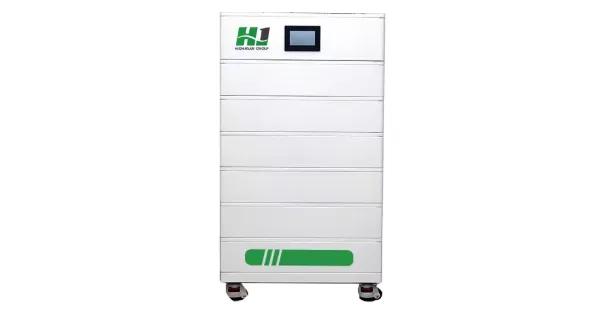
In today’s fast-paced industrial and commercial environments, energy storage solutions play a pivotal role in ensuring uninterrupted operations. Among the many options available, stacked lithium batteries combined with floor-standing batteries have emerged as a game-changer, offering superior performance, scalability, and efficiency. This article explores the benefits, applications, and technological advancements of stacked lithium battery solutions, highlighting why they are becoming the preferred choice for businesses worldwide.
Understanding Stacked Lithium Batteries
A stacked lithium battery is a modern energy storage solution that involves arranging multiple lithium battery cells in a vertical stack to optimize space and energy capacity. Unlike traditional battery banks, which often occupy large footprints and require complex wiring, stacked lithium batteries are designed for compactness, efficiency, and ease of integration.
The primary advantage of stacking lithium batteries lies in their modularity. Each module can function independently, allowing users to customize the total energy capacity according to their specific needs. This flexibility is particularly beneficial for industries with fluctuating energy demands, as it enables scaling up or down without replacing the entire system.
Why Choose Floor-Standing Batteries?
Floor-standing batteries are large, free-standing battery units designed for industrial, commercial, and utility-scale applications. Unlike wall-mounted or portable solutions, floor-standing batteries offer several distinct advantages:
Higher Energy Capacity: Floor-standing batteries can accommodate multiple stacked lithium modules, providing significant energy storage without compromising on space.
Ease of Maintenance: These batteries are more accessible for inspection, maintenance, or replacement, ensuring operational reliability.
Enhanced Cooling and Safety: With proper ventilation and design, floor-standing batteries manage heat effectively, reducing the risk of overheating and prolonging battery life.
When combined with stacked lithium technology, floor-standing batteries become an ideal solution for large-scale energy storage, data centers, renewable energy systems, and critical industrial applications.
Key Benefits of Stacked Lithium Battery Solutions
Space Efficiency Space is often a critical concern in industrial and commercial settings. Stacked lithium batteries maximize vertical space, allowing for high-capacity energy storage without expanding the footprint. Paired with a floor-standing battery configuration, they provide an organized, scalable solution that can fit into existing facilities with minimal modifications.
High Performance and Reliability Lithium batteries are renowned for their high energy density, fast charging capabilities, and long cycle life. By stacking these batteries in a floor-standing setup, businesses can ensure consistent power delivery, even during peak demand periods. This reliability is essential for operations that cannot afford downtime, such as manufacturing plants, hospitals, and data centers.
Scalability One of the standout features of stacked lithium battery systems is their modularity. Companies can start with a few modules and add more as energy requirements grow. This scalability is not only cost-effective but also aligns with sustainable energy practices by reducing waste and unnecessary battery production.
Lower Maintenance Costs Traditional battery systems often require frequent maintenance, including electrolyte refills, cleaning, and monitoring. Lithium-based floor-standing batteries minimize maintenance needs due to their solid-state construction, built-in battery management systems (BMS), and longer lifespan. This results in lower operational costs and higher overall efficiency.
Improved Safety Features Modern stacked lithium battery solutions come equipped with advanced safety features, including overcharge protection, short-circuit prevention, and thermal management systems. When installed in a floor-standing battery cabinet, these safety mechanisms are enhanced due to better ventilation and reduced risk of physical damage.
Applications of Stacked Lithium Floor-Standing Batteries
The versatility of stacked lithium batteries makes them suitable for a wide range of applications:
Industrial Energy Storage: Factories and production facilities can use these systems to manage peak load demands, reduce energy costs, and maintain continuous operations.
Renewable Energy Integration: Solar and wind power installations often face intermittent energy generation. Floor-standing stacked lithium batteries store excess energy and supply it when renewable sources are unavailable.
Data Centers: Continuous power is critical in data centers. Stacked lithium floor-standing batteries provide reliable backup power to prevent downtime and data loss.
Telecommunication Towers: Towers require consistent energy to maintain connectivity. Modular lithium battery stacks ensure uninterrupted power even during grid failures.
Electric Vehicle Charging Stations: High-capacity stacked batteries can store energy during off-peak hours and provide rapid charging for electric vehicles, optimizing grid usage.
Technological Advancements in Stacked Lithium Battery Systems
Recent advancements in stacked lithium battery technology have further enhanced their efficiency and usability:
Battery Management Systems (BMS): Modern BMS technology monitors individual cells, ensuring optimal performance, preventing overcharging, and extending the battery’s lifespan.
Thermal Management: Innovative cooling solutions, including liquid cooling and smart airflow systems, keep floor-standing batteries operating within safe temperature ranges.
Fast Charging Capabilities: Some stacked lithium systems support rapid charging, reducing downtime and improving energy availability.
Modular Design: Easier installation, replacement, and scaling are made possible by modular stackable designs, reducing the complexity of energy system upgrades.
Choosing the Right Stacked Lithium Floor-Standing Battery
When selecting a stacked lithium battery solution, businesses should consider several factors:
Capacity Requirements: Determine the total energy storage needed and choose a modular system that can accommodate future growth.
Space Availability: Floor-standing units require proper placement for ventilation, maintenance access, and safety compliance.
Application Needs: Different industries may prioritize fast charging, high cycle life, or safety features differently.
Manufacturer Reliability: Choose reputable manufacturers with proven track records in lithium battery technology and certifications for safety and performance.
Integration Compatibility: Ensure the battery system integrates seamlessly with existing energy infrastructure, such as solar panels, generators, or the main grid.
Conclusion
The combination of stacked lithium batteries and floor-standing battery designs represents a modern, efficient, and scalable approach to energy storage. By offering high performance, modularity, safety, and space efficiency, these systems are transforming how industries, businesses, and utilities manage power.
As energy demands continue to grow and renewable integration becomes more prevalent, investing in stacked lithium floor-standing batteries is not just a choice—it’s a strategic move toward reliability, sustainability, and operational efficiency.
Whether for industrial energy storage, backup power for critical systems, or integration with renewable energy, stacked lithium battery solutions provide a robust, future-ready answer for today’s energy challenges.