

Receiving a diagnosis of feline leukemia virus can feel overwhelming for any cat owner, yet knowledge and structured care create clarity in uncertain moments. FeLV positive cat life expectancy explains how FeLV affects overall health and Cat Life Expectancy, helping families understand what lies ahead with realism and compassion. While FeLV can influence long-term outcomes, many cats live meaningful, comfortable lives when supported with attentive care and preventive management. Focusing only on prognosis limits opportunity because quality of life often improves when owners prioritize immune support, hygiene, nutrition, and emotional stability. By shifting attention from fear to structured FeLV long-term care, families can actively support resilience and extend Cat Life Expectancy in practical ways.
Understanding the Emotional Impact of an FeLV Diagnosis
An FeLV diagnosis often triggers guilt, confusion, and anxiety because owners immediately think about shortened Cat Life Expectancy. Veterinarians frequently reassure families that FeLV progression varies widely and depends on immune response, environment, and preventive care. Emotional stability within the household directly influences feline stress levels, which in turn affects immune function. Cats are highly sensitive to environmental tension, so calm routines and consistent interaction become essential parts of FeLV long-term care. When owners replace panic with structured planning, they create conditions that support immune support for FeLV cats from the very beginning.
Open communication with a trusted veterinary team provides grounded expectations rather than exaggerated claims. Evidence-based discussions help families understand realistic monitoring plans and early intervention strategies. Owners who educate themselves about FeLV feel more confident and less reactive to minor changes in behavior. Confidence allows better observation, which supports early detection of complications that could influence Cat Life Expectancy. Emotional resilience therefore becomes part of medical management, not a separate concern.
Strengthening the Immune System Through Practical Daily Care
FeLV primarily compromises the immune system, making immune support for FeLV cats central to preserving health. Balanced nutrition, vaccination where appropriate, parasite prevention, and stress reduction collectively reinforce natural defenses. Veterinary guidance ensures that supplements or dietary adjustments remain safe and evidence-informed. Clean living spaces reduce pathogen exposure and lower the risk of secondary infections. Strong daily routines function like scaffolding that supports overall stability and improves Cat Life Expectancy over time.
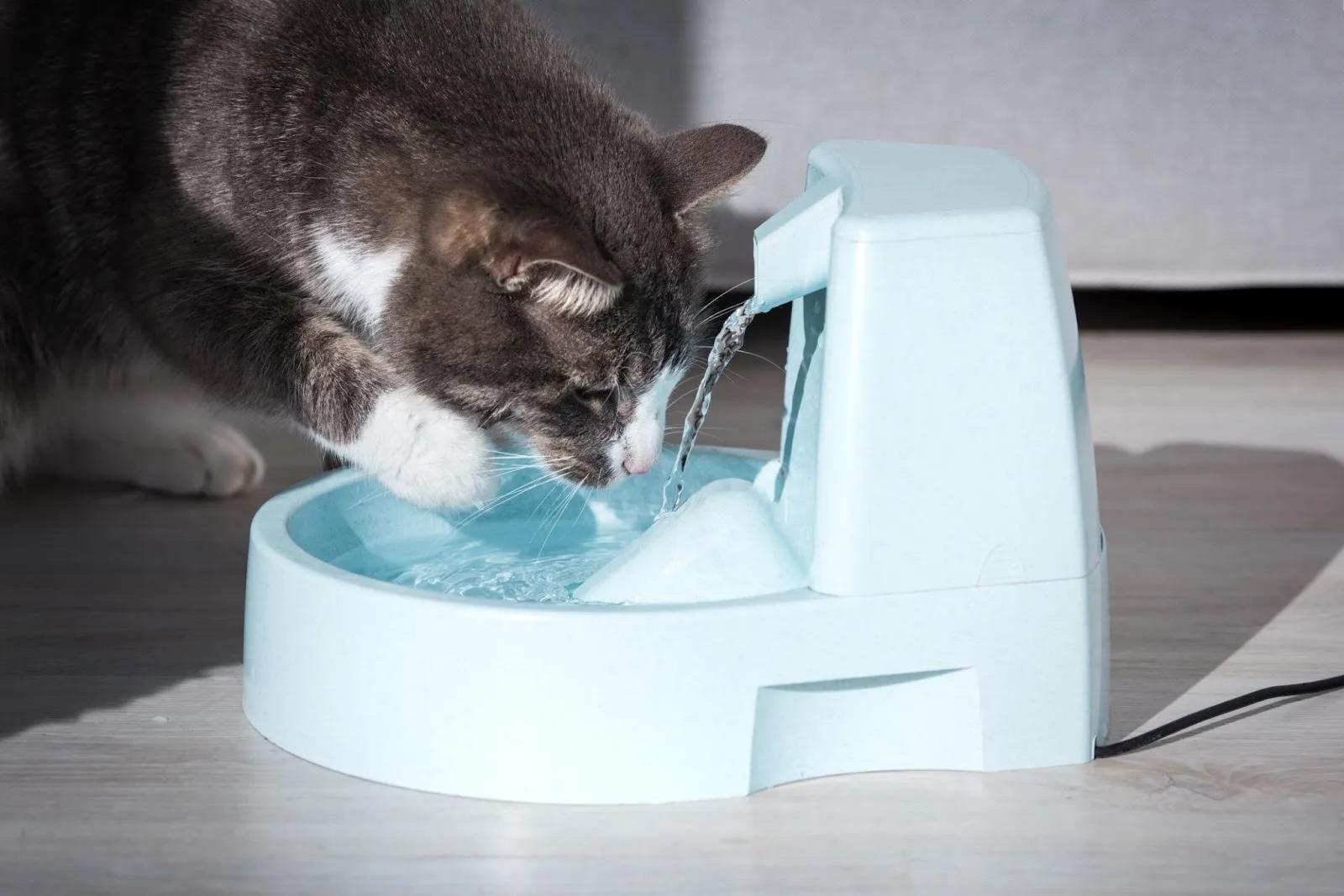
Proper hydration remains critical because dehydration strains organs and weakens recovery capacity. Freshwater bowls should be cleaned daily to prevent bacterial growth. Wet food diets often assist hydration while providing high-quality protein necessary for tissue repair. Veterinarians may recommend specific diets tailored to immunocompromised cats based on individual assessments. Consistent nutritional management becomes a cornerstone of FeLV long-term care rather than an afterthought.
Reducing Stress to Protect Immune Health
Stress hormones can suppress immune responses, which makes calm environments essential for FeLV management. Indoor living protects against infectious exposure and reduces territorial conflicts with other animals. Predictable feeding times and quiet resting areas provide psychological security. Gentle play sessions stimulate mental engagement without exhausting fragile energy reserves. Lower stress supports immune support for FeLV cats and may positively influence Cat Life Expectancy.
Environmental enrichment does not require complexity; it requires consistency. Scratching posts, soft bedding, and safe elevated spaces create a sense of control. Avoid frequent changes in furniture placement or loud disruptions. If multiple cats live in the home, separate feeding stations and litter trays reduce tension. Practical stress reduction strategies translate into measurable improvements in well-being.
Preventing Secondary Infections and Monitoring Early Warning Signs
Secondary infections pose a greater threat to FeLV-positive cats than the virus alone. Minor respiratory or dental issues can escalate quickly when immune defenses are compromised. Routine veterinary examinations allow early identification of subtle abnormalities. Bloodwork at recommended intervals helps track trends that could affect Cat Life Expectancy. Proactive detection and treatment form the backbone of responsible FeLV long-term care.
Owners should observe appetite, weight, grooming habits, and energy levels daily. Sudden lethargy, persistent diarrhea, pale gums, or unexplained weight loss require prompt veterinary consultation. Clean litter boxes enable accurate monitoring of urinary and bowel patterns. Good home hygiene reduces bacterial load and supports immune support for FeLV cats. Vigilant observation often extends quality years beyond initial expectations.
The Importance of Indoor Living and Controlled Exposure
Keeping FeLV-positive cats indoors protects both their health and other animals. Outdoor exposure increases the risk of additional infections that can accelerate decline. Indoor living also prevents viral transmission to uninfected cats in the community. Owners sometimes worry about reduced stimulation, yet structured enrichment compensates effectively. A safe indoor lifestyle directly supports improved Cat Life Expectancy.
Window perches allow observation of outdoor activity without physical exposure. Rotating toys maintains interest while limiting overstimulation. Controlled introductions to trusted household members reduce fear responses. Veterinary professionals consistently recommend indoor housing as a core component of FeLV long-term care. Controlled environments reduce variables that could destabilize immune function.
Community Education and Owner Support Networks
No owner should navigate FeLV alone, especially when confronting questions about Cat Life Expectancy. Reputable educational platforms and peer support communities provide shared experience grounded in responsible care. Resources such as feline wellness and preventive care resources offer accessible discussions about feline wellness and preventive strategies that complement veterinary advice. Engaging with informed communities reduces isolation and helps owners recognize normal variations versus concerning symptoms. Education empowers families to implement immune support for FeLV cats with confidence rather than guesswork.
Professional guidance remains essential because online advice must be evaluated carefully. Trustworthy platforms emphasize consultation with qualified veterinarians before making medical changes. Balanced information discourages extreme treatments lacking scientific validation. Combining credible education with personalized veterinary oversight protects both safety and Cat Life Expectancy. Responsible learning strengthens decision-making throughout the caregiving journey.
Routine Veterinary Care as a Long-Term Partnership
Consistent veterinary visits transform FeLV management into a collaborative process. Regular examinations track weight trends, lymph node size, oral health, and behavioral shifts. Diagnostic testing at appropriate intervals provides objective data rather than speculation. Transparent communication allows early intervention when patterns suggest emerging complications. Structured oversight supports sustained FeLV long-term care.
Vaccination strategies may differ for FeLV-positive cats depending on risk factors and overall health status. Parasite control remains important because external and internal parasites strain compromised immune systems. Dental hygiene reduces systemic inflammation that could otherwise reduce Cat Life Expectancy. Veterinary professionals tailor each plan based on age, concurrent conditions, and lifestyle. care avoids generic assumptions and supports realistic outcomes.
Nutrition and Body Condition Management
Maintaining stable body weight strongly influences resilience in FeLV-positive cats. Underweight cats may struggle to fight infections, while obesity burdens vital organs. High-quality protein sources aid tissue maintenance and immune response. Veterinarians may recommend therapeutic diets when secondary conditions arise. Balanced nutrition consistently underpins immune support for FeLV cats.
Frequent small meals can improve intake in cats with fluctuating appetites. Monitoring body condition score at home allows early adjustment before significant decline. Clean feeding areas minimize contamination and encourage consistent eating behavior. Hydration remains integral to organ health and toxin clearance. Nutrition, though simple in concept, profoundly shapes Cat Life Expectancy.
Monitoring Signs of Decline with Compassion and Clarity
Despite attentive care, some FeLV-positive cats will experience health deterioration. Recognizing signs early allows compassionate intervention and pain management. Changes in breathing patterns, persistent fever, or severe lethargy require immediate evaluation. Quality of life assessments focus on comfort, appetite, interaction, and mobility. Honest conversations with veterinary professionals guide responsible decisions.
Monitoring does not mean constant fear; it means informed awareness. Owners who understand baseline behavior notice subtle shifts quickly. Documentation of symptoms assists veterinarians in identifying patterns. Balanced vigilance often preserves comfort and may extend meaningful time. FeLV long-term care includes preparation for difficult decisions while prioritizing dignity.
Caring for an FeLV-positive cat demands patience, organization, and emotional strength, yet it also deepens the human-animal bond. Each practical step, from immune support for FeLV cats to structured indoor living, contributes to stability. Cat Life Expectancy varies, but attentive households frequently surpass initial assumptions. By focusing on hygiene, nutrition, stress control, and routine veterinary partnership, owners actively shape outcomes. Empowered, informed caregivers provide not only longevity but also a life marked by comfort, safety, and steady affection.