

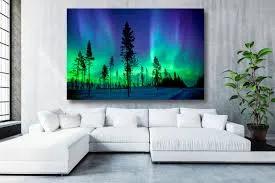
The northern lights have long inspired artists, architects, and designers with their shifting color and quiet intensity. Today, contemporary interiors translate that celestial phenomenon into immersive wall art that echoes light, movement, and atmosphere. The Aurora Collection draws directly from natural light displays, using flowing shapes, vibrant gradients, and ethereal transitions that evoke the northern sky within refined living spaces. Inspired by aurora and atmospheric effects, these works interpret luminous ribbons of color through layered pigments and soft diffusion suited to modern homes. In doing so, aurora-inspired art offers a way to bring cosmic beauty indoors without overpowering contemporary design schemes.
The Emotional Power of Aurora-Inspired Colours
Aurora-inspired palettes revolve around luminous greens, deep violets, midnight blues, and flashes of rose gold that seem to glow from within. These colors influence mood through contrast and softness, balancing cool clarity with subtle warmth. In color psychology research used across interior design disciplines, cooler gradients encourage calm focus, while layered light tones reduce visual fatigue. When translated into wall art, these shifting hues create a gentle rhythm that mirrors natural light cycles. The result is a space that feels both expansive and grounded, ideal for urban homes seeking tranquillity.
Light-based color transitions also support modern well-being design principles seen in contemporary architecture across the United Kingdom. Designers often reference biophilic strategies that reconnect interiors with natural phenomena such as daylight patterns and seasonal change. Aurora tones echo this principle by suggesting sky, horizon, and atmosphere within enclosed rooms. Rather than applying bold blocks of pigment, artists blend translucent layers that allow colors to merge gradually. This method creates depth without clutter, preserving the integrity of minimalist interiors.
Flowing Composition and the Art of Gradient Movement
The northern lights never stand still, and successful aurora-inspired art captures that sense of motion through composition. Flowing curves replace rigid geometry, guiding the eye across the canvas in gentle arcs. Gradient transitions soften boundaries between colors, preventing harsh contrast that might disrupt a calm environment. Designers often position such pieces above sofas or along corridor walls where natural light can enhance the illusion of movement. In these placements, the artwork becomes a visual bridge between architecture and atmosphere.
Modern production techniques strengthen this effect through layered acrylic washes, resin finishes, and subtle metallic infusions. Each layer interacts with ambient light, changing appearance from morning to evening. This dynamic quality aligns with contemporary expectations for adaptable interiors that respond to daily rhythms. Rather than dominating a room, gradient art works quietly in the background, shifting tone as daylight moves. That responsiveness gives aurora-inspired decor a practical advantage in flexible living environments.
Transforming Minimalist Spaces with Atmospheric Art
Minimalist design often relies on restraint, neutral palettes, and clean lines. While this clarity provides visual order, it can sometimes feel austere without a focal element. Atmospheric art introduces depth without compromising simplicity, acting as a measured counterbalance to white walls and pale timber floors. Aurora-inspired works function as subtle anchors that introduce color while maintaining spatial harmony. The soft diffusion of pigment respects minimalist discipline while preventing monotony.
In open-plan apartments common in major UK cities, a large aurora piece can define a zone without physical partitions. Positioned strategically, it signals a living area or reading corner through visual emphasis alone. Designers frequently combine these works with textured textiles such as wool throws or brushed cotton cushions to echo the softness of light transitions. This layered approach strengthens cohesion across furniture, surfaces, and artwork. The outcome is a refined interior that feels curated rather than staged.
Modern Abstract Techniques and Expressive Light
Contemporary artists reinterpret the northern lights through abstract methods that move beyond literal landscape painting. Techniques include fluid art pours, digital layering, and controlled pigment dispersal that mimic atmospheric diffusion. These approaches align with broader expressive movements explored in modern abstract pop art for home and office review at, where color and form reshape both residential and professional interiors. While pop art traditionally emphasizes bold graphics, current interpretations soften edges and focus on luminous blending. This evolution allows aurora-inspired pieces to sit comfortably within understated interiors.
Digital design tools also expand possibilities for precision gradient transitions. Artists can map color flows mathematically before translating them onto canvas, ensuring balanced distribution of hue. This blend of technology and craft reflects the broader trajectory of modern interior design, where data and creativity coexist. Architects and interior stylists increasingly collaborate with artists during planning stages to ensure scale and palette integration. Such coordination enhances visual impact while maintaining structural harmony.
Creating Focal Walls with Large-Scale Aurora Pieces
Large-scale aurora artwork performs best when granted space to breathe. A generous canvas allows color transitions to unfold gradually, mirroring the breadth of the night sky. In living rooms with high ceilings, vertical compositions emphasize height and echo the upward sweep of light. In more compact spaces, horizontal pieces stretch visually across walls, expanding perceived width. Careful proportion ensures that art enhances architecture rather than overwhelming it.
Lighting design plays a critical role in presenting these works effectively. Wall washers and adjustable spotlights highlight gradient shifts and subtle texture without creating glare. Interior professionals often recommend warm white bulbs to complement cooler aurora hues, achieving balance between atmosphere and clarity. Placement at eye level maintains natural viewing comfort, particularly in lounge areas where residents spend extended time. Thoughtful installation transforms the artwork into a quiet centerpiece that evolves with daily light changes.
Beyond aesthetics, large aurora pieces can influence behavioral patterns within a room. Research in environmental psychology suggests that expansive imagery encourages a sense of openness and creativity. When homeowners select artwork that evokes sky and horizon, they subtly reinforce spatial freedom within urban settings. This psychological dimension adds value beyond decorative appeal. It demonstrates how art informed by natural light phenomena contributes to holistic interior well-being.
Integrating Aurora Themes Across Contemporary Homes
Consistency strengthens the impact of aurora-inspired design. Rather than limiting the theme to a single wall, homeowners may echo its palette through accent ceramics, glass vases, or soft furnishings. Subtle repetition of color creates cohesion without redundancy. Designers advise restraint to preserve the artwork as the primary visual statement. When applied carefully, these echoes tie separate rooms together in a unified narrative.
Home offices particularly benefit from aurora-based decor. The gentle movement implied by gradient art reduces visual stagnation during long working hours. Studies into workplace design frequently highlight the importance of calming yet stimulating environments for productivity. Aurora tones meet this balance by offering quiet vibrancy rather than stark contrast. This makes them suitable for hybrid working arrangements increasingly common across the UK.
Sustainability considerations also shape contemporary art selection. Many artists now use low-emission paints and responsibly sourced materials to align with environmental standards. Consumers aware of ecological impact seek pieces that respect both aesthetic and ethical values. Aurora-inspired works, rooted in appreciation of natural phenomena, naturally align with this ethos. By selecting responsibly produced art, homeowners reinforce the connection between interior beauty and environmental responsibility.
Aurora-inspired interiors succeed because they merge science, psychology, and artistry into a cohesive visual language. The northern lights remind us that color can move, shift, and transform without losing harmony. Translating that phenomenon into wall art demands careful composition, balanced gradients, and thoughtful placement. When executed with restraint, these works elevate minimalist spaces while maintaining architectural clarity. Through considered integration, modern homes can capture the magic of atmospheric light in ways that feel authentic, calm, and enduring.