

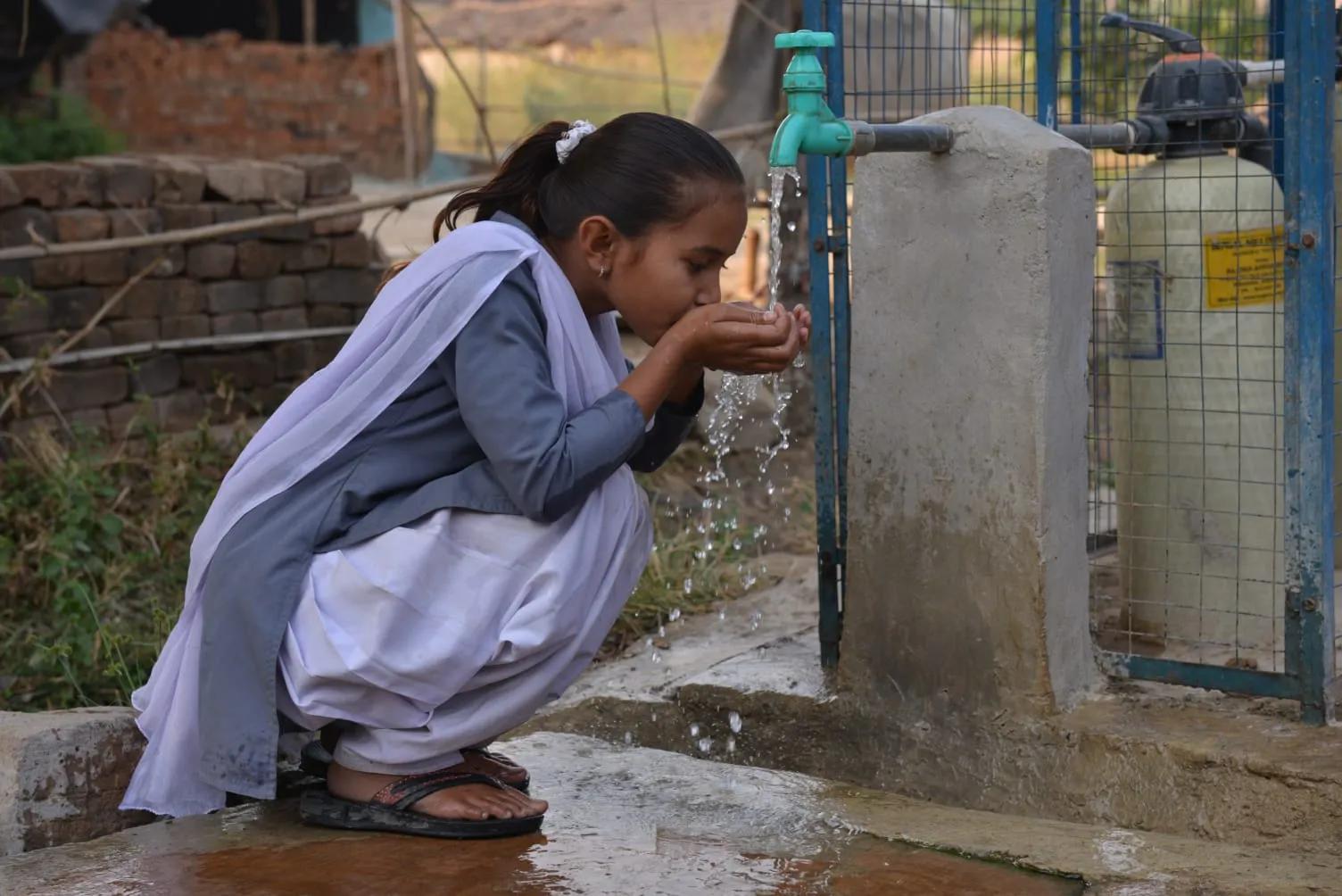
A glass of clean water can change a child’s future. For millions of children in India, unsafe drinking water is not just a health issue; it is one of the hidden causes of malnutrition, poor school attendance, repeated illness, and lost opportunities. A child who drinks contaminated water is more likely to suffer from diarrhoea, infections, and nutrient loss, making it difficult for the body to absorb the nutrition needed for healthy growth.
This is why safe water and nutrition must go hand in hand.
Across vulnerable communities in India, organisations like World Vision India are working to ensure children not only receive nutritious food but also access to clean drinking water, sanitation, hygiene education, and healthcare support. With more than 70 years of grassroots experience, World Vision India continues to strengthen communities through sustainable child-focused development programmes.
Why Safe Water Matters for Child Nutrition
When children repeatedly consume unsafe water, their bodies struggle to absorb nutrients properly. Even if families provide meals, contaminated water can lead to infections that weaken immunity and reduce nutritional intake.
According to development experts and public health studies, waterborne diseases remain one of the major contributors to child malnutrition in India. Frequent diarrhoea causes dehydration and nutrient loss, while poor sanitation increases the spread of harmful bacteria in communities.
This creates a dangerous cycle:
Unsafe water leads to illness
Illness reduces nutrient absorption
Poor nutrition weakens immunity
Weak immunity increases disease risk again
For children under five, this cycle can have lifelong effects on physical and cognitive development.
That is why effective WASH programs in India, focused on water, sanitation, and hygiene, play a critical role in improving child health outcomes.
The Connection Between Clean Water and Better Health
Children need more than food to grow well. They need healthy environments.
In many rural and underserved communities, families still walk long distances for water, use contaminated sources, or lack proper sanitation facilities. Schools without toilets or handwashing stations also put children at greater health risk.
World Vision India’s integrated community development approach combines nutrition, healthcare, hygiene awareness, and safe water access to support long-term child wellbeing. Their programmes focus on:
Safe drinking water access
Handwashing awareness
Construction of toilets in schools and communities
Nutrition support for vulnerable children
Community health worker training
Awareness sessions for mothers and caregivers
These efforts help reduce disease outbreaks while improving nutrition and school attendance among children.
How Clean Water Improves Education for Poor Children
A healthy child learns better. Children suffering from waterborne illnesses often miss school due to weakness, fever, stomach infections, or fatigue. In many cases, girls drop out because schools lack safe sanitation facilities.
When communities gain access to safe water and hygiene facilities, the impact goes far beyond health: School attendance improves, Girls continue their education with dignity, Families spend less on medical treatment, Children become more active and confident, Learning outcomes improve
For organisations focused on education for poor children, safe water infrastructure is not optional; it is essential.
Several community stories from World Vision India highlight how improved sanitation and hygiene facilities have helped children continue schooling safely and confidently.
Fighting Child Malnutrition Through Community-Based Solutions
Addressing child hunger requires more than emergency feeding programmes. Sustainable nutrition support must begin at the community level.
As a leading healthcare NGO for children, World Vision India works with families, local health workers, schools, and anganwadi centres to identify malnourished children early and provide timely intervention.
Their nutrition initiatives include:
Growth monitoring for children
Nutrition counselling for mothers
Food basket programmes
Nutrition gardens
Healthcare referrals
Community awareness campaigns
Training frontline health workers
The organisation also integrates water and sanitation efforts into nutrition programming to ensure long-term impact.
This holistic development model creates healthier communities where children can thrive physically, emotionally, and academically.
How Child Sponsorship Creates Lasting Change
Many people wonder how child sponsorship works and whether it truly creates measurable impact.
The answer lies in community transformation.
When supporters choose to sponsor a child online, their contributions help strengthen programmes that benefit not only one child but entire communities. These initiatives may include education support, healthcare access, clean water systems, livelihood training for families, and child protection activities.
World Vision India’s child sponsorship model focuses on sustainable community development rather than short-term aid. Through this approach:
Children gain access to better healthcare and nutrition
Schools receive learning support and hygiene facilities
Families receive livelihood assistance
Women’s groups are empowered through skill-building initiatives
Communities become more resilient during disasters
The organisation states that when one child is sponsored, multiple children in the community also benefit from improved development programmes.
For donors looking for the best NGO for children in India, long-term impact, transparency, and grassroots engagement are important factors to consider.
Women's Empowerment and Child Wellbeing Go Together
Child nutrition improves significantly when mothers and caregivers are empowered.
A strong women empowerment NGO India programme can help mothers gain better awareness about hygiene, nutrition, healthcare, and household financial management. Women with livelihood opportunities are often better positioned to provide nutritious meals and healthcare support for their children.
World Vision India’s community programmes also focus on strengthening women’s participation in local development initiatives, self-help groups, and child wellbeing activities.
When women are empowered, children are healthier, safer, and more likely to stay in school.
Safe Water Is Not Charity, It Is a Child’s Right
Every child deserves safe drinking water, nutritious food, healthcare access, a hygienic environment, and the opportunity to grow with dignity and security. However, millions of vulnerable children across India still lack access to these basic necessities.
Supporting trusted organisations working at the grassroots level can help bridge this gap. Whether through child sponsorship, community donations, or nutrition support programmes, collective action can create lasting change for children and families.
If you are looking to donate to NGO initiatives that focus on child wellbeing, healthcare, nutrition, and education, supporting integrated development programmes can help create sustainable impact for entire communities.
Final Thoughts
Safe water does far more than quench thirst. It protects children from disease, improves nutrition, supports education, empowers families, and strengthens entire communities. Clean water is often the first step toward breaking the cycle of poverty and malnutrition.
For over seven decades, World Vision India has continued working with vulnerable communities to improve child health, nutrition, education, and protection through sustainable, community-driven solutions.
Every contribution, whether you choose to sponsor a child online, support nutrition programmes, or help expand WASH programs in India, can help a child move closer to a healthier and brighter future.
Because every child deserves the chance to grow, learn, and dream without the burden of unsafe water.