

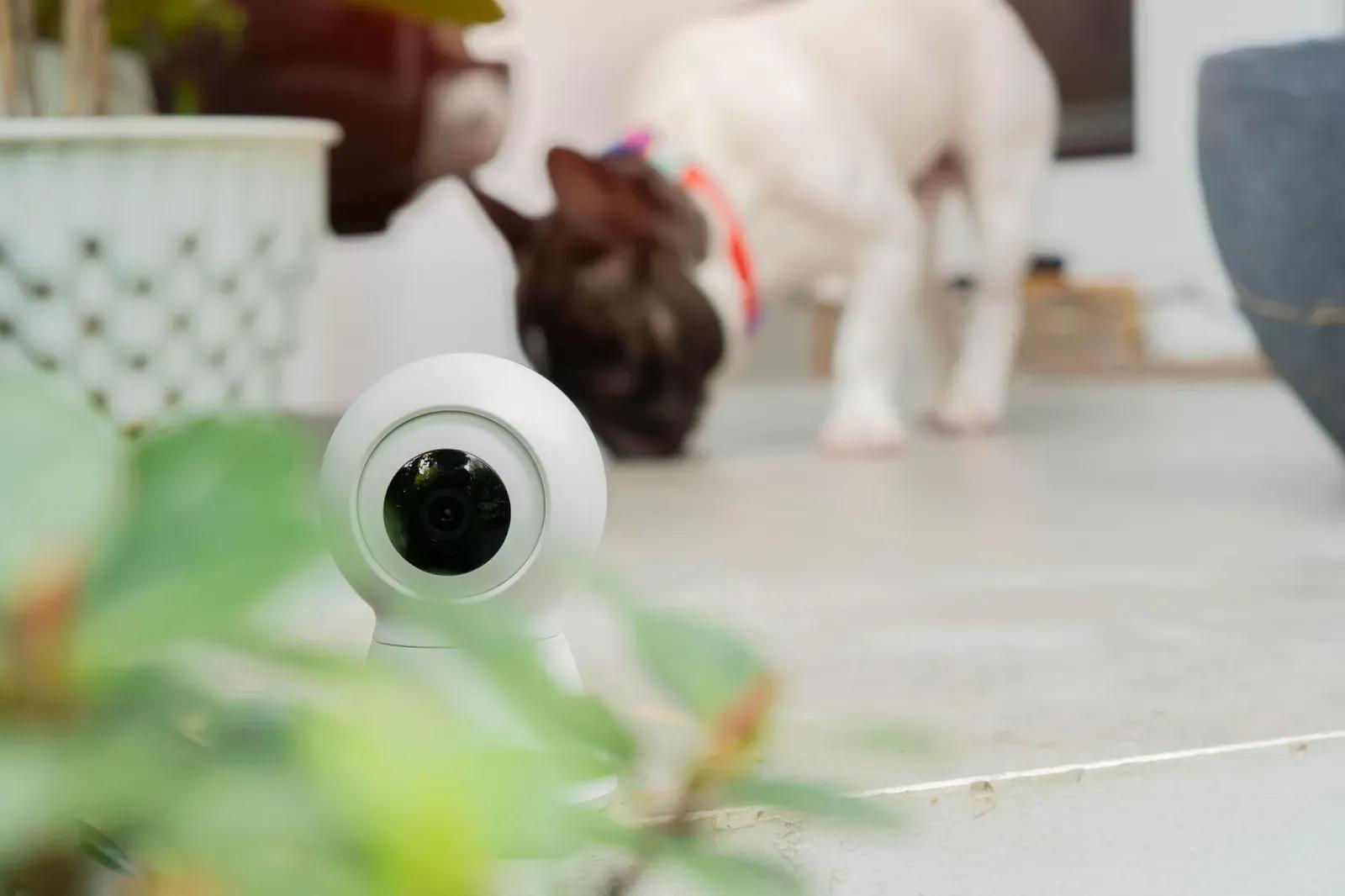
Choosing a pet camera is no longer a novelty purchase. For many households, it is part of everyday care, especially when dogs or cats spend hours alone during the working day. If you are comparing options and trying to understand what truly stands out, exploring the best-rated pet camera available can give you useful background before you narrow your shortlist. A well-chosen camera should support routine, reduce unnecessary worry, and give you clear insight into your pet’s behavior without adding complexity. The right decision depends on your home layout, your pet’s temperament, and how much data you actually want to review.
Key Features That Matter Most
The headline features on the box often look similar across brands, but the real value lies in how those features perform in daily use.
Video resolution is the first technical detail most buyers check. Full HD remains common, yet 2K and 4K models are increasingly available. Higher resolution allows you to see fine details such as subtle limping, excessive scratching, or changes in posture. For large open-plan rooms, sharper resolution helps you zoom without losing clarity. In smaller flats, 1080p may be sufficient if the camera sits close to your pet’s resting area. Resolution alone does not guarantee quality, so consider lens quality and sensor performance as well.
Night vision is essential for households where pets move around after dark. Infrared systems allow clear black and white footage in low light without disturbing your pet. Quality night vision should show movement clearly rather than produce grainy silhouettes. If your pet sleeps in a dim hallway or kitchen, reliable low-light performance ensures you do not miss overnight pacing or repeated trips to the water bowl.
Motion alerts have evolved from simple push notifications to intelligent event detection. Basic cameras notify you whenever movement occurs. More advanced systems allow you to define activity zones and adjust sensitivity. This reduces false alarms caused by curtains shifting or sunlight changing. Well-calibrated alerts help you focus on meaningful changes such as restlessness, destructive chewing, or unusual inactivity.
Two-way audio can be reassuring for both owner and pet. Clear microphones and speakers allow you to speak calmly and hear responses. Poor audio quality can create distortion that confuses animals. When assessing this feature, read independent reviews that comment on echo, delay, and clarity. For dogs prone to separation anxiety, the ability to give a calm verbal cue can interrupt unwanted behavior before it escalates.
Storage options shape long-term usability. Local storage via SD card offers control and avoids monthly fees. Cloud storage provides remote access and automatic backups. Cloud systems often include advanced event filtering and searchable timelines. However, they may involve ongoing subscription costs. Weigh convenience against privacy preferences and total cost over several years.
These features matter because they influence how often you check the app and how confidently you interpret what you see.
A camera should reduce uncertainty rather than create new questions.
Subscription vs No Subscription Models
One of the most practical decisions involves subscription fees. Many brands promote attractive hardware prices while placing advanced features behind monthly plans.
Subscription models typically include extended video history, smart alerts, and off-site storage. For some households, especially those wanting detailed playback or sharing clips with family members, this can be worthwhile. Regular updates and cloud processing may also improve performance over time.
No subscription models rely on local storage or limited free cloud tiers. These systems appeal to owners who prefer predictable costs. Over three to five years, avoiding monthly fees can represent significant savings. However, check whether features such as advanced AI detection or extended playback require paid upgrades.
Long-term cost comparisons should include hardware lifespan. A slightly more expensive camera without fees may cost less overall. Conversely, a low-cost camera with a mandatory subscription could exceed your budget expectations within two years.
Consider how often you realistically review footage. If you mainly rely on live viewing and occasional alerts, local storage may be adequate. If you travel frequently and want remote access to detailed history, a subscription model might offer better continuity.
Transparency matters. Reputable brands clearly outline what is included in free tiers and what requires payment. Avoid products that obscure essential features behind vague language.
Comparing Popular Brands
The market includes both established electronics companies and specialist pet technology brands.
Eufy has built a strong reputation for reliable indoor cameras. Known for clear 2K resolution and solid local storage options, Eufy appeals to buyers seeking privacy and straightforward setup. Their app interface is generally intuitive, which reduces daily friction. While not designed exclusively for pets, many owners use Eufy cameras successfully for monitoring dogs and cats.
Furbo positions itself specifically for dog owners. Treat dispensing and barking alerts differentiate it from general security cameras. For households where interaction matters as much as observation, Furbo’s interactive features can provide stimulation during long days. However, some advanced features require subscription plans, so total cost should be assessed carefully.
SiiPet focuses on integrating AI driven behavior recognition into pet monitoring. Rather than simply recording movement, certain models aim to distinguish between routine activity and unusual patterns. This approach aligns with the broader trend of data-informed pet care. For owners interested in trend analysis rather than occasional check-ins, such capabilities may offer added value.
Other leading brands include companies like TP-Link and Ring, which offer indoor cameras adaptable for pet use. These products often integrate seamlessly with existing smart home systems. If you already use compatible doorbells or lighting controls, remaining within the same ecosystem can simplify management.
When comparing brands, look beyond marketing claims. Evaluate firmware update frequency, data security policies, and customer support responsiveness. A well-maintained platform reduces the risk of outdated software or security vulnerabilities.
The Future of AI in Pet Monitoring
Artificial intelligence is reshaping pet cameras in practical rather than futuristic ways. Instead of merely capturing video, newer systems analyze patterns over time.
Behavior recognition allows cameras to distinguish between normal daily routines and deviations. For example, if a dog usually sleeps for several hours mid-afternoon but begins pacing repeatedly, the system may flag this as unusual. While such alerts do not diagnose medical issues, they can prompt owners to observe more closely or consult a veterinarian when appropriate.
Wellness alerts extend beyond movement. Some devices integrate with smart collars or feeding systems to combine activity data with visual observation. Pattern shifts such as reduced mobility or frequent scratching can become more visible when viewed across weeks rather than isolated clips.
Smart tracking features also reduce notification fatigue. Instead of sending alerts for every movement, AI systems learn baseline behavior. Over time, they filter out predictable patterns. This helps owners focus on meaningful changes rather than constant minor activity.
These developments parallel broader discussions about AI in health and monitoring technology. Resources such as AI applications in health monitoring and analytics explore how artificial intelligence analyzes behavioral and biometric data in both human and animal contexts. In pet care, the goal is not replacement of professional advice but earlier awareness of change.
As AI features expand, transparency remains crucial. Buyers should understand how data is processed, where it is stored, and whether it is encrypted. Responsible brands provide clear privacy documentation and allow users to control data retention.
The future likely involves deeper integration with smart homes. Cameras may coordinate with lighting, temperature control, and automated feeders to respond dynamically to detected behavior. For example, if a system recognizes increased activity during heat, it might trigger cooling adjustments. Such possibilities remain developing features rather than standard practice, but the direction is clear.
When assessing AI capabilities, ask practical questions. Does the feature reduce manual checking? Does it provide clear, actionable information? Does it operate reliably without excessive false alerts? Innovation matters only when it simplifies care.
Choosing the best pet camera for your home, therefore, requires honest reflection. Consider room size, pet behavior, and budget tolerance for ongoing fees. Evaluate how often you travel and how much historical data you truly need. Compare brands not only on headline specifications but also on software stability and privacy standards. A well-selected camera becomes part of a routine rather than a source of distraction. It should offer clarity, measured insight, and peace of mind grounded in reliable technology.